

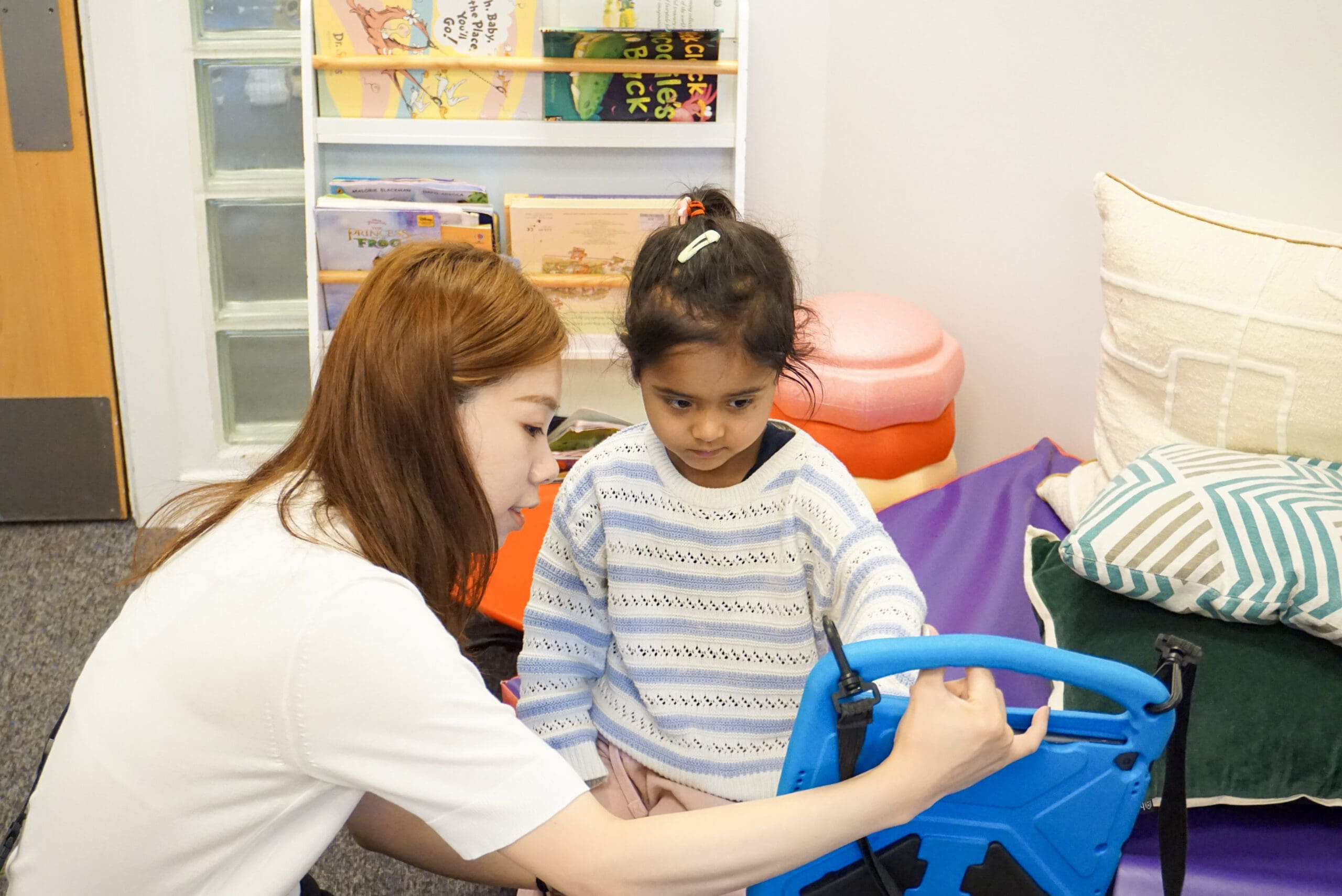
When exploring support options for a neurodivergent child, it is common for parents to encounter ABA therapy. It is widely discussed, often misunderstood, and can feel overwhelming to navigate without clear, balanced information.
Here, we explore what ABA therapy involves, how it is applied in real-world settings, the potential benefits and considerations for families, and how to assess whether it could be a suitable approach for your child. It also highlights an upcoming free webinar where parents can explore the topic in more detail and ask questions in a welcoming, supportive space.
What is ABA Therapy?
Applied Behaviour Analysis (ABA) therapy is an evidence-based approach that focuses on understanding how behaviour works, how it is influenced by the environment, and how learning takes place.
In practical terms, ABA therapy aims to support the development of communication, social, and daily living skills, reduce behaviours that may limit learning or engagement, and help children build greater independence and confidence over time.
How Does ABA Therapy Work?
ABA therapy uses structured, goal-led strategies to help children learn new skills. Skills are broken down into manageable steps and taught through repetition, consistency, and positive reinforcement.
A typical ABA programme may include clear individualised goals, one-to-one or small-group sessions, ongoing assessment, and regular adjustments to ensure strategies remain appropriate as the child develops.
Modern ABA practice places increasing emphasis on motivation, consent, and meaningful outcomes, rather than compliance alone.
Who is ABA Therapy For?
ABA therapy is most commonly associated with autistic children, but it can also support children who experience communication or developmental delays, difficulties with emotional regulation, challenges with attention or transitions, or barriers to learning in group environments.
It is important to recognise that ABA therapy is not a one-size-fits-all approach. The quality of delivery, the values of the provider, and how well the approach aligns with the child’s needs all play a significant role.
Join Our Free Webinar: Learn More About ABA Therapy
To support parents in making informed decisions, we are hosting a free webinar that explores ABA therapy in greater depth.
The session will cover what ABA therapy looks like in practice, common myths and misconceptions, how to evaluate whether an approach is ethical and appropriate, and the key questions parents should ask before starting therapy. There will also be time for questions and discussion.
Register for our free webinar.
Navigating ABA Therapy as a Parent
Many parents approach ABA therapy wanting to understand how it could fit into their child’s everyday life, rather than looking for quick or simplistic answers. It often raises reflections about what support should look like in practice, how flexible it can be, and whether it truly honours a child’s individuality and emotional wellbeing.
Alongside this, parents naturally consider how therapy might sit alongside school, family routines, and other forms of support. These reflections are not hurdles to overcome but signals of thoughtful decision-making, and they underline the importance of approaches that are responsive, transparent, and shaped around the child rather than a predefined model.
Is ABA Therapy Right for My Child?
ABA therapy may be helpful when goals focus on functional, meaningful skills, the child’s wellbeing and autonomy are prioritised, and parents are actively involved in the process.
It may be less suitable if approaches feel overly rigid, progress is measured without considering emotional wellbeing, or if a child responds better to alternative or complementary forms of support.
There is no single correct pathway, only what is right for your child at a particular moment in time.
How First Bridge Education Can Support Your Child
At First Bridge Education, we support children with special educational needs from the age of 2 through to 9, providing a carefully structured, nurturing environment during some of their most important developmental years.
Our approach is child-centred, recognising that every child’s profile, strengths, and needs are unique. We work closely with families to understand each child holistically and to put the right support in place at the right time. Where appropriate, this may include evidence-based approaches such as ABA-informed strategies, alongside other therapeutic and educational supports.
Support at First Bridge Education is never about forcing children into a single model. Instead, we focus on building key life skills including communication, emotional regulation, learning readiness, and confidence in ways that respect each child’s individuality and wellbeing.
By working with children with special educational needs and disabilities from nursery age through primary age, we are able to provide continuity, consistency, and a strong foundation for future learning and development.
Take the Next Step
If you are considering support for your child or would like to understand your options more clearly, you do not need to navigate this alone. Speaking with experienced professionals and hearing from others on a similar path can make the process feel more manageable and less overwhelming.
Whether you are at the very beginning of your journey or reassessing the support your child currently receives, our free webinar offers a supportive space to learn, reflect, and ask questions.
Reserve your place on the free webinar to explore ABA therapy in context and decide what feels right for your family.
Supporting Your Child with Confidence
Choosing the right support for your child can feel complex, particularly when information is conflicting or emotionally charged. ABA therapy is one option among many and understanding it clearly allows you to make decisions based on knowledge rather than pressure.
Whether or not ABA therapy is right for your child, gaining clarity is always a valuable first step.